
The psychology behind the highs and lows of gambling experiences
The Thrill of Winning
The experience of winning in gambling can trigger a powerful psychological response. When players hit a jackpot or win a significant hand, their brains release dopamine, a neurotransmitter associated with pleasure and reward. This rush can lead to feelings of euphoria, making the player crave more of this stimulating experience, particularly when engaged with an ice fishing game real or fake. It’s not just about the money; the thrill of winning can enhance self-esteem and provide a temporary escape from reality.

Moreover, the anticipation of winning can create a heightened sense of excitement. Gamblers often describe the moments leading up to a potential win as exhilarating. This emotional rollercoaster adds to the allure of gambling, keeping players engaged and coming back for more, despite knowing the risks involved.
The Despair of Losing
On the other hand, the lows of gambling are equally profound. Losing a bet or facing a streak of bad luck can lead to feelings of despair and frustration. This negative emotional response can trigger stress, anxiety, and even depression in some individuals. The psychological impact of losing can outweigh the joy of winning, creating a cycle of emotional highs and lows.
This despair can also lead players to chase their losses, a common behavior in gambling psychology. The idea of recouping lost money can result in poor decision-making, leading individuals to bet larger amounts or engage in riskier games. This cycle can exacerbate feelings of hopelessness and increase the likelihood of developing gambling addiction.
The Illusion of Control
Many gamblers operate under the illusion that they can control the outcome of their bets. This belief can be fueled by personal experiences or superstitions, leading players to think they can influence results. This psychological phenomenon, known as the “illusion of control,” often leads to increased betting and further emotional investment in gambling.
This illusion can also heighten the highs of winning. When players believe that their actions directly impact outcomes, they are more likely to feel empowered during winning streaks. However, this belief can turn toxic when losses occur, leading to frustration and a sense of helplessness when players realize they cannot control chance-based games.
The Social Aspect of Gambling
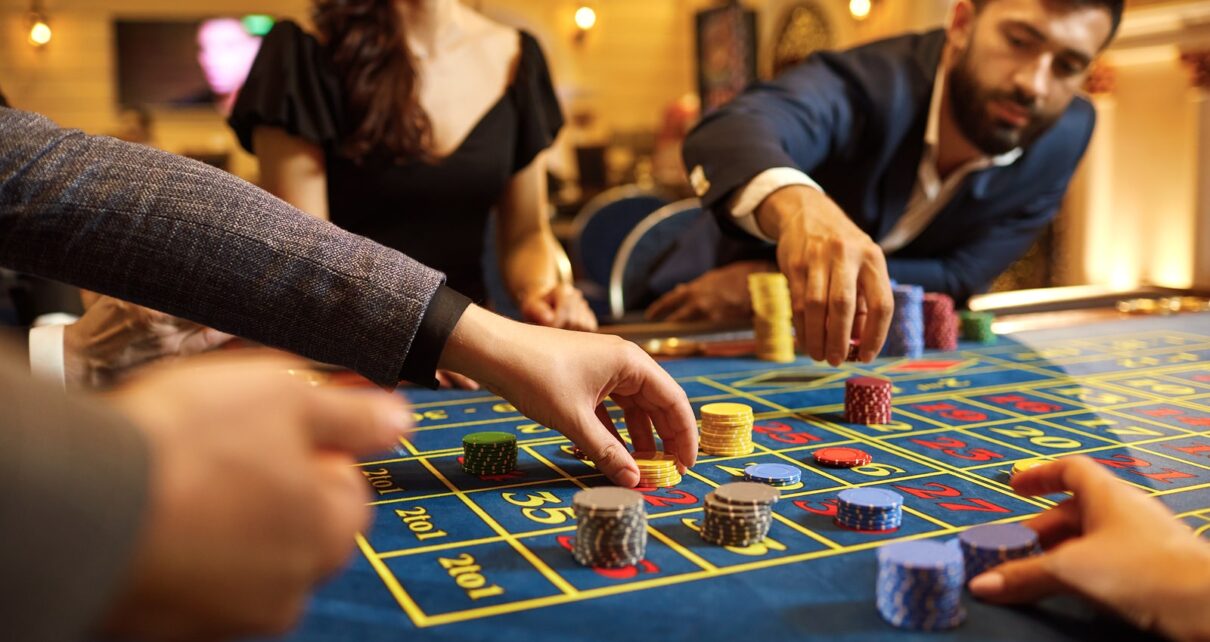
Gambling is not only an individual experience but also a social one. Many individuals enjoy the camaraderie that comes with visiting casinos or participating in betting events. This social interaction can amplify both the highs and lows of gambling experiences. Winning with friends can feel even more rewarding, while losing in a group can be disheartening.
Social dynamics can also influence gambling behaviors. The pressure to conform or impress peers can lead individuals to gamble beyond their means. This aspect can lead to a range of psychological consequences, including guilt and shame, especially when losses are incurred. Understanding the social influences on gambling can provide insight into the emotional highs and lows experienced by players.
Your Gateway to Understanding Gambling Psychology
At our website, we strive to explore the intricate psychological dimensions of gambling. By providing resources and insights into the emotional experiences associated with gambling, we hope to foster a better understanding of both the thrill and the pitfalls. Our aim is to equip players with the knowledge to make informed decisions while navigating the highs and lows of their gambling adventures.
Join us as we delve into the psychology behind gambling, helping players recognize the emotional patterns that can emerge. Whether you are a seasoned player or new to the world of gambling, understanding these psychological factors can enhance your experience and promote responsible gaming practices.


